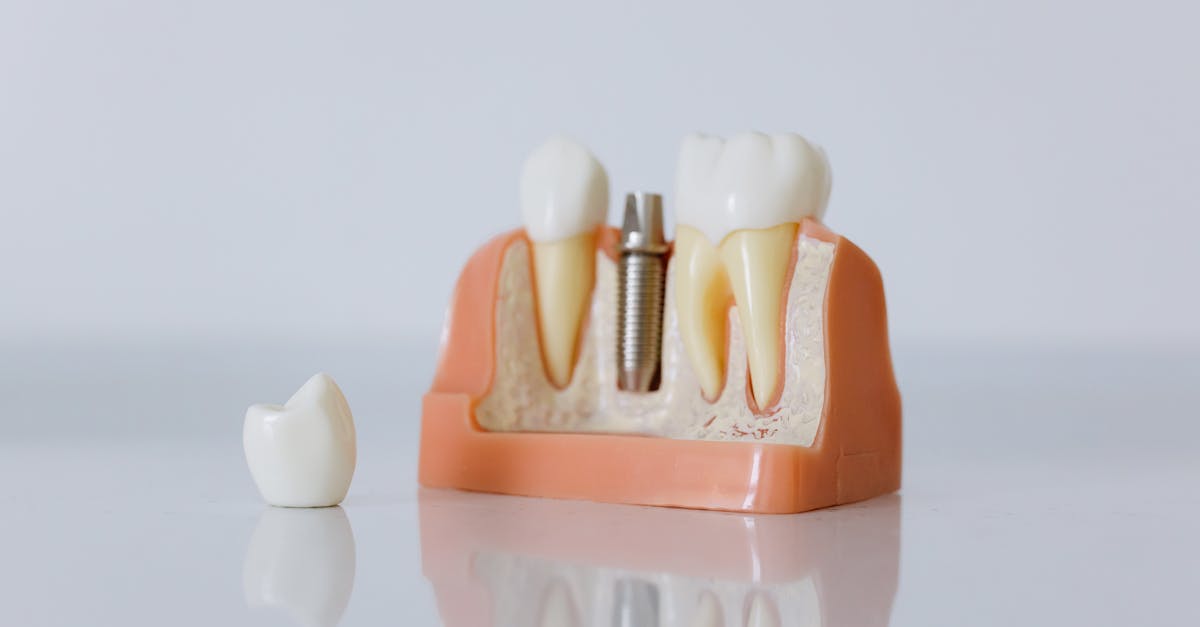
If you’re considering dental implants, you’ve likely seen the promise of coverage in your plan’s benefits booklet. Yet, for thousands of patients each year, that promise dissolves into a confusing reality of denied claims and unexpected bills. The core issue isn’t whether implants are listed as a covered procedure—it’s understanding the labyrinth of limitations that dictate what your plan actually pays.
In 2026, the gap between the advertised benefit and the actual reimbursement is wider than ever. This guide cuts through the marketing to provide a clear, carrier-by-carrier breakdown of dental implant insurance coverage. We’ll detail what major insurers pay, decode the critical fine print, and provide actionable strategies to maximize your benefits.
Why Your Dental Implant Coverage Is Less Than You Think
Dental insurance operates on a fundamentally different model than medical insurance. It’s designed for predictable, preventive care, not high-cost restorative procedures. This foundational principle explains the three primary barriers that slash your effective coverage.
The $1,500 Annual Maximum: The Primary Coverage Killer
The annual maximum is the total amount your insurer will pay for covered services in a plan year. For most individual plans, this cap ranges from $1,000 to $2,000. A single dental implant procedure, including the post, abutment, and crown, typically costs between $3,000 and $6,000.
This creates an immediate mathematical shortfall. Even if your plan covers 50% of the implant cost, the annual maximum often exhausts long before the insurer pays its full share, leaving you responsible for the balance.
Waiting Periods and the “Missing Tooth Clause”
Many plans impose a 6 to 12-month waiting period for major services like implants. More critically, some include a “missing tooth clause.” This provision states the insurer will not cover an implant for a tooth that was lost or extracted before your coverage began.
If you need to replace a tooth you lost years ago, this clause can nullify your coverage entirely, regardless of waiting periods or annual maximums.
Percentage Coverage Tiers: Major vs. Basic
Plans categorize procedures into tiers with different reimbursement rates:
- Preventive (Cleanings, X-rays): Covered at 100%.
- Basic (Fillings, Extractions): Covered at 70-80%.
- Major (Crowns, Bridges, Implants): Covered at 50%.
Implants almost always fall into the “Major” category, meaning you’re responsible for half the cost from the outset—before the annual maximum is applied.
2026 Dental Implant Insurance Coverage: Carrier Breakdown
Coverage details vary significantly by specific plan and state. The following analysis reflects common plan structures for major carriers. Always verify details with your specific policy documents.
Delta Dental
As the nation’s largest dental insurer, Delta Dental offers a wide range of PPO plans. Their approach to dental implant insurance coverage is typical of the industry.
- Typical Coverage: 50% of the procedure cost after deductible.
- Common Annual Maximum: $1,500.
- Waiting Period: Often 12 months for major services.
- Key Consideration: Delta’s Premier network dentists have higher contracted fees, which can consume your maximum faster. A Delta PPO dentist may offer lower out-of-pocket costs despite the same percentage coverage.
Cigna
Cigna’s dental plans are known for extensive networks. Their implant coverage often mirrors industry standards but watch for specific exclusions.
- Typical Coverage: 50% after deductible.
- Common Annual Maximum: $1,000 – $1,500.
- Waiting Period: Can be waived with proof of prior continuous coverage.
- Key Consideration: Scrutinize the “missing tooth clause.” Some Cigna plans are stricter than others on this point.
Aetna
Aetna offers both PPO and Dental Maintenance Organization (DMO) plans. Their DMO plans may provide more predictable copays for implant services but restrict your choice of provider.
- Typical Coverage (PPO): 50% after deductible.
- Common Annual Maximum: $1,500.
- DMO Alternative: May have a set copay for the implant crown (e.g., $500) but the surgical placement of the post is often not covered, shifting significant cost back to you.
MetLife
MetLife’s “TakeAlong” plans are popular. They sometimes offer slightly higher annual maximums, which can be advantageous for implant procedures.
- Typical Coverage: 50% after deductible.
- Common Annual Maximum: Can range up to $2,000 or $3,000 on some premium plans.
- Key Consideration: A plan with a $3,000 maximum provides substantially more usable benefit for a $5,000 implant than a plan with a $1,500 maximum, even at the same 50% coinsurance.
Guardian
Guardian is frequently cited in searches for the best dental insurance for implants due to its “Diamond” tier plans, which offer higher annual maximums.
- Typical Coverage: 50% after deductible.
- Annual Maximum Range: $1,000 (Basic) to $2,500 (Diamond).
- Key Consideration: The higher-tier plans represent a strategic choice for known implant needs. The premium is higher, but the increased maximum can lead to lower total out-of-pocket expense.
Proven Strategies to Maximize Your Implant Benefits
Understanding the landscape is the first step. Actively managing your benefits is the second. These strategies can help you leverage your dental implant insurance coverage effectively.
1. Master the Two-Calendar-Year Strategy
This is the single most effective tactic for expensive procedures. If your implant treatment can be split into phases, schedule them across two plan years to utilize two annual maximums.
- Example: Have the surgical implant placement and bone graft in December, using your current year’s maximum. Then, have the abutment and crown placed in January, utilizing the new year’s fresh maximum. This can double the insurance contribution.
2. Obtain a Pre-Treatment Estimate
Never proceed without this document. Your dentist’s office will submit a detailed plan to your insurer, who will return a breakdown of estimated coverage. This reveals exactly how your annual maximum, deductible, and coinsurance will be applied, exposing any potential exclusions like the missing tooth clause.
3. Evaluate Plan Upgrades During Open Enrollment
If you anticipate needing an implant, use open enrollment to switch to a plan with a higher annual maximum (e.g., $2,500 instead of $1,500). Calculate if the higher annual premium is offset by the greater benefit payout.
4. Understand Medicare and Medicare Advantage
Original Medicare (Parts A & B) does not cover routine dental care, including implants. Some Medicare Advantage (Part C) plans include dental benefits, but they often have very low annual maximums ($1,000 is common). Supplemental dental plans for seniors are available but require careful comparison to find affordable dental implant coverage.
5. Combine Insurance with Alternative Financing
Treat your insurance payout as a partial subsidy. For the remaining balance, explore options like:
- Health Savings Account (HSA) or Flexible Spending Account (FSA) funds.
- Medical credit cards with promotional interest-free periods.
- In-house payment plans from your dental provider.
Navigating Your Path to Coverage
The question “does dental insurance cover implants?” has a nuanced answer. Yes, most plans provide some level of benefit, but structural limits mean you will bear a significant portion of the cost. The key to minimizing your out-of-pocket expense lies in selecting the right plan architecture—prioritizing a high annual maximum over a low premium—and strategically timing your treatment. By obtaining a pre-treatment estimate and understanding your policy’s specific clauses, you can transform a vague promise of coverage into a predictable, actionable financial plan for your oral health.
- Dental Tourism for Implants 2026: Best Countries, Real Costs & How to Get Safe, Low-Cost Implants Abroad – 13/04/2026
- Box Truck Loads and 18-Wheeler Roadside Assistance in 2026: Best Load Boards, Freight Strategies, and Commercial Breakdown Coverage for Owner-Operators – 13/04/2026
- Disney Cruise Deals 2026: How to Find the Cheapest Sailings, Last-Minute Discounts & Low-Cost Booking Strategies – 13/04/2026

Leave a Reply