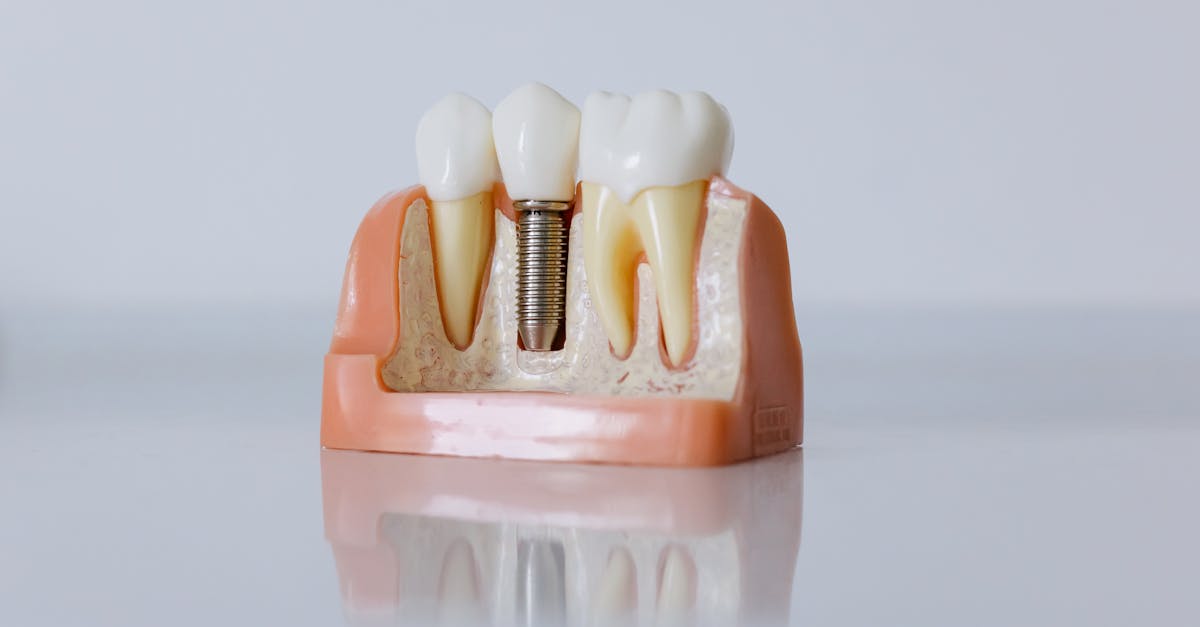
For individuals facing the prospect of replacing an entire arch of failing or missing teeth, the decision is often clouded by complexity and cost. The promise of a permanent, functional solution can feel out of reach. However, a modern dental protocol has transformed full-arch restoration, offering a streamlined path to a renewed smile and improved oral health.

The All-on-4 dental implant technique represents a significant advancement in prosthetic dentistry. By strategically placing four dental implants to support a full arch of prosthetic teeth, this method provides a stable, long-term alternative to traditional dentures. Understanding the investment, the process, and how to find a qualified provider is the first critical step toward making an informed decision about your oral health.
Understanding the All-on-4 Dental Implant Protocol
The All-on-4 concept is engineered for efficiency and stability. Unlike individual implants for each tooth, this full-arch solution uses a minimal number of strategically angled implants to maximize existing bone support. This design often eliminates the need for extensive bone grafting procedures, which can add considerable time and expense to traditional implant treatments.
How the Procedure Works
The treatment is typically completed in a single surgical session. After a comprehensive diagnostic workup, a board-certified oral surgeon or prosthodontist places four titanium implants into the jawbone. These implants act as anchors. On the same day, a temporary, fully functional set of teeth is attached, allowing you to leave the clinic with a complete smile.
Following a healing period of several months, during which the implants fuse with the bone—a process called osseointegration—the temporary prosthesis is replaced with a final, custom-crafted permanent bridge. This final restoration is designed for aesthetics, comfort, and durability.
Breaking Down the Cost of All-on-4 Implants
The advertised starting point for full mouth restoration, such as $15,999, typically refers to the cost for a single arch. It is essential to understand what this investment encompasses. A comprehensive fee generally includes several key components that contribute to the final outcome.
- Surgical Placement: The expertise of the surgeon, the surgical facility fees, anesthesia, and the four implants themselves.
- The Prosthetic Teeth: The cost of the temporary and final bridges, which are custom-made in a dental laboratory.
- Diagnostic Imaging: Advanced 3D CT scans and digital impressions essential for precise surgical planning.
- Follow-up Care: Appointments for adjustments and the final prosthesis placement.
The final cost is influenced by several factors, including geographic location, the surgeon’s level of experience and certification, the materials used for the final bridge (such as high-density acrylic or zirconia), and whether any adjunctive procedures are necessary.
All-on-4 vs. All-on-6: A Comparative Analysis
When researching full-arch restoration, you will likely encounter the All-on-6 option. This alternative uses six implants per arch instead of four. The choice between these protocols is not one of superiority but of suitability, based on your individual anatomical and clinical circumstances.
Key Differences and Considerations
- Bone Density and Volume: The All-on-4 technique is specifically designed for cases with moderate bone loss, using angled posterior implants to avoid sinus or nerve areas. All-on-6 may be recommended for patients with greater bone volume to support the additional implants in a straighter position.
- Perceived Stability: While both offer excellent stability, some clinicians suggest that six implants can distribute biting forces across a wider base. However, a properly planned and executed All-on-4 restoration provides more than adequate support for normal function.
- Cost Implications: Naturally, using six implants and a slightly larger prosthetic increases the overall investment compared to the All-on-4 approach. This is a primary reason many patients find significant value in the four-implant solution.
A thorough consultation with a qualified specialist is the only way to determine which treatment plan is most appropriate for your long-term oral health and goals.
The Critical Importance of Choosing a Qualified Provider
The success of a full-arch implant restoration hinges on the skill and experience of the clinical team. This is not a procedure where price should be the sole deciding factor. The training required to properly plan and execute these treatments is extensive.
Seek out a board-certified oral and maxillofacial surgeon or prosthodontist. Board certification signifies that the surgeon has undergone rigorous additional training and testing beyond dental school. These specialists have a deep understanding of the surgical and restorative complexities involved in full-mouth rehabilitation.
- Review Credentials: Verify board certification through professional association websites.
- Examine Before-and-After Portfolios: A reputable provider will have a gallery of completed cases.
- Ask About Technology: Inquire if they use guided surgery with 3D planning software, which enhances precision and outcomes.
- Understand the Team: Ensure a collaborative approach between the surgeon placing the implants and the restorative dentist designing the prosthesis.
Navigating Financing for Your Dental Restoration
Recognizing that this is a substantial investment in your health and quality of life, most reputable dental implant practices offer flexible financial options. These plans are designed to make treatment accessible without compromising on the quality of care.
Many providers work with third-party healthcare financing companies that offer plans with competitive terms. It is common to find options such as low-interest or even 0% interest financing for a promotional period for qualified patients. These plans allow you to spread the cost over months or years with a fixed monthly payment.
- In-House Payment Plans: Some larger practices offer direct financing.
- Medical Credit Cards: Specialized cards for healthcare expenses often feature promotional periods.
- Flexible Spending Accounts (FSAs) or Health Savings Accounts (HSAs): You can use pre-tax dollars from these accounts to pay for eligible expenses.
A transparent provider will discuss all fees and financing options during your initial consultation, providing a clear, written estimate so you can make a confident decision.
Taking the Next Step Toward a Permanent Solution
The journey to replacing failing teeth with a permanent, stable solution begins with accurate information and a personalized assessment. While the All-on-4 dental implant technique offers a proven and efficient path to full-arch restoration, its success depends on a tailored treatment plan developed by a highly skilled specialist.
Obtaining a detailed cost estimate based on your specific diagnostic records is the most responsible way to move forward. This personalized quote will account for your unique anatomy and needs, moving beyond general price ranges to provide a clear picture of your investment in a restored smile and improved oral function.
- Dental Tourism for Implants 2026: Best Countries, Real Costs & How to Get Safe, Low-Cost Implants Abroad – 13/04/2026
- Box Truck Loads and 18-Wheeler Roadside Assistance in 2026: Best Load Boards, Freight Strategies, and Commercial Breakdown Coverage for Owner-Operators – 13/04/2026
- Disney Cruise Deals 2026: How to Find the Cheapest Sailings, Last-Minute Discounts & Low-Cost Booking Strategies – 13/04/2026

Leave a Reply