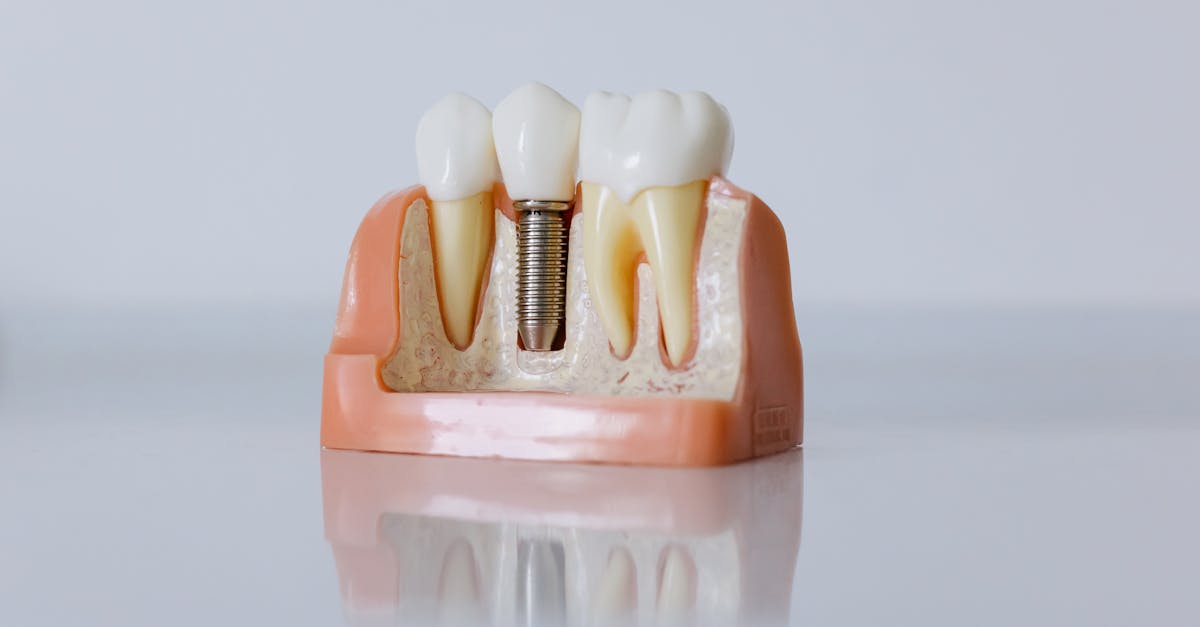
For many adults considering a permanent solution for missing teeth, the question isn’t whether dental implants are the right choice—it’s understanding the investment. The landscape of dental implant costs in 2026 is defined by greater transparency and more accessible treatment options than ever before. This guide provides a detailed price breakdown by procedure type, demystifies financing, and outlines a clear strategy for comparing top-rated providers in your area.
The 2026 Dental Implant Cost Landscape
The national average for a single dental implant, including the abutment and crown, typically ranges from $3,000 to $6,000. However, this figure is merely a starting point. The final cost is a composite of several factors, making personalized consultation essential.
Understanding what influences your quote is the first step toward an informed decision. Key variables include:
- Geographic Location & Practice Overhead: Costs in metropolitan areas are often higher than in suburban or rural regions due to office rental rates and local market competition.
- Implant Dentist’s Expertise & Credentials: A surgeon with advanced training in implantology or prosthodontics may command higher fees, which can correlate with a higher standard of care and predictable outcomes.
- Material Quality: The brand of the implant fixture (e.g., Nobel Biocare, Straumann) and the type of crown material (porcelain-fused-to-metal vs. all-ceramic) affect price and longevity.
- Preparatory Procedures: Many patients require additional treatments like bone grafting, sinus lifts, or extractions before an implant can be placed, adding to the overall treatment plan cost.
- Technology & Diagnostic Tools: Practices utilizing 3D cone beam CT scans, guided surgery software, and in-house dental labs may have different pricing structures that reflect this advanced capability.
Complete Price Breakdown by Implant Type
A clear comparison of treatment options is crucial. Below is a detailed overview of common procedures, including what the quoted price typically encompasses.
Single Tooth Implant
This is the standard solution for replacing one missing tooth. The total cost generally includes the surgical placement of the titanium implant fixture, the abutment that connects to the crown, and the custom-made prosthetic crown itself.
- Typical Price Range: $3,000 – $6,000
- What to Ask: Confirm if the quote is “all-inclusive” for the implant, abutment, crown, and any necessary follow-up visits. Inquire about the warranty on the implant fixture and the crown.
Implant-Supported Dentures (All-on-4® and Similar)
These are full-arch solutions where a denture is securely anchored by multiple implants. The All-on-4® technique often uses four strategically placed implants per arch to support a fixed bridge, minimizing the need for bone grafting.
- Typical Price Range Per Arch: $15,000 – $30,000+
- What to Ask: Determine if the quoted price is for a fixed permanent bridge or a removable overdenture. Clarify what happens if an implant fails and the associated costs for long-term maintenance.
Full Mouth Dental Implants
For patients missing all teeth in both arches, this comprehensive treatment can involve as few as four implants per arch or a more extensive reconstruction. As noted in current market offerings, entry points for full mouth solutions can begin in the range of $3,999 per arch, though this often represents a starting point for specific promotional packages.
- Typical Price Range (Full Mouth Reconstruction): $20,000 – $50,000+
- What to Ask: Request a fully itemized treatment plan. Understand the timeline, number of implants used, type of temporary teeth provided, and the materials for the final prosthesis.
Same-Day Dental Implants
Also known as “teeth in a day,” this protocol allows for the placement of implants and a temporary prosthesis in one appointment. It is a highly technique-sensitive procedure requiring significant expertise and advanced planning.
- Typical Price Range (Per Arch): Often comparable to or slightly higher than traditional All-on-4® treatment due to the complexity and immediate load protocol.
- What to Ask: Verify the surgeon’s experience with immediate load cases. Discuss the healing process and the expected lifespan of the temporary prosthesis before receiving the final one.
Navigating Dental Implant Financing in 2026
Recognizing that this is a significant health investment, reputable providers now offer a variety of financial pathways. Exploring these options is a standard part of the consultation process.
- In-House Payment Plans: Many dental practices offer structured, interest-free or low-interest payment plans that break the total cost into manageable monthly installments.
- Third-Party Medical Financing: Companies like CareCredit, Alphaeon Credit, and LendingClub Patient Solutions offer credit lines specifically for healthcare procedures, often with promotional periods.
- Dental Savings Plans: These are membership-based programs that provide a discount on treatment fees at participating dentists for an annual fee, different from traditional insurance.
- Insurance & Flexible Spending Accounts (FSAs): While most dental insurance plans offer limited coverage for implants, they may cover portions like the crown or extraction. Using FSA or HSA funds pre-tax can provide meaningful savings.
How to Compare Providers and Find “Dental Implants Near Me”
Finding the right specialist is as important as understanding the cost. A low price should never come at the expense of quality and safety. Your evaluation should be thorough.
Credentials and Experience
Look for a dentist with post-graduate training in implant surgery (e.g., a periodontist or oral surgeon) or prosthodontics. Membership in professional organizations like the American Academy of Implant Dentistry (AAID) signifies a commitment to the specialty.
Technology and Facility
A modern practice should utilize digital imaging (3D CT scans) and likely offer computer-guided surgery. An on-site dental lab or a close partnership with a skilled lab technician is a strong indicator of quality control.
Consultation Process
A comprehensive consultation is non-negotiable. The provider should perform a thorough examination, review your medical history, take necessary scans, and present a clear, written treatment plan with a complete cost breakdown—not just a verbal estimate.
Patient Reviews and Before/After Galleries
Read reviews on independent platforms and examine the practice’s portfolio of cases. Look for patients with situations similar to yours and note the consistency and quality of the results shown.
Taking the Next Step with Confidence
Armed with this detailed cost and comparison framework, you are positioned to move forward from research to action. The most effective way to obtain an accurate, personalized cost for your specific needs is to schedule a consultation with a qualified implant provider. During this visit, you can discuss your health goals, receive a definitive diagnosis, and explore all applicable treatment and financial options tailored to you. This direct engagement is the definitive step toward transforming your smile and oral health with clarity and confidence.
- Dental Tourism for Implants 2026: Best Countries, Real Costs & How to Get Safe, Low-Cost Implants Abroad – 13/04/2026
- Box Truck Loads and 18-Wheeler Roadside Assistance in 2026: Best Load Boards, Freight Strategies, and Commercial Breakdown Coverage for Owner-Operators – 13/04/2026
- Disney Cruise Deals 2026: How to Find the Cheapest Sailings, Last-Minute Discounts & Low-Cost Booking Strategies – 13/04/2026

Leave a Reply