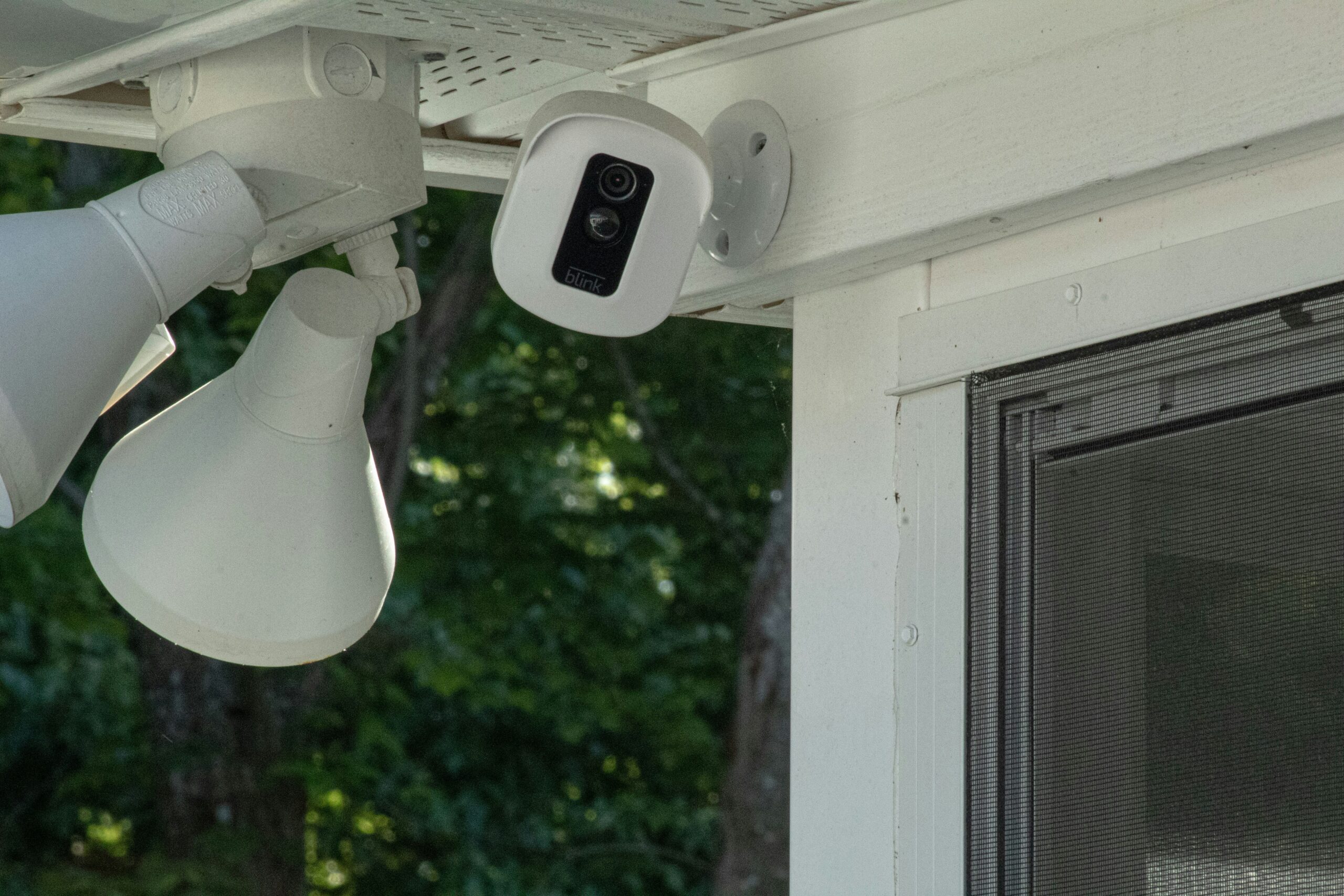
For decades, the relationship between homeowners and their insurance providers was largely passive: pay the premium, file a claim if disaster strikes, and hope for the best at renewal. This transactional model is now obsolete. In 2026, a profound shift is underway, driven by the Internet of Things (IoT), artificial intelligence, and a new era of data transparency. Today, the modern homeowner is an active participant in risk management, wielding a suite of affordable, interconnected technologies not only to fortify their home against threats but to directly influence their insurance capital allocation. This isn’t about mere discounts; it’s about a fundamental renegotiation of risk, rewarding proactive protection with significant financial benefits and peace of mind that was previously unattainable.

The New Paradigm: From Reactive Claims to Proactive Risk Mitigation
Leading property and casualty insurance carriers have moved beyond simple loyalty programs. They now operate on a continuous risk-assessment model, fueled by real-time data from devices you install and maintain. The core principle is simple: a home that can prevent or minimize damage is less expensive to insure. This has given rise to a booming ecosystem of smart home security system installers and certified home automation integrators whose work is directly recognized by insurers. The savings are no longer trivial; we’re seeing premium reductions of 15% to 25% for comprehensive setups, with some high-value home insurance providers offering even more substantial incentives for layered protection.
Strategic Tech Investments: The Core Pillars of Protection & Savings
Not all smart devices are created equal in the eyes of your insurer. Strategic capital allocation towards integrated systems yields the highest return on investment. Focus on these four pillars.
1. Intelligent Water Security: The Silent Killer, Neutralized
Water damage remains the leading source of homeowner claims. The 2026 solution goes far beyond a basic leak sensor. Whole-home water security systems, installed by professional plumbing services with smart home expertise, feature flow-monitoring master valves that learn your home’s water usage patterns. They can detect a leaking toilet or a burst washing machine hose within seconds and automatically shut off the water supply, often before a single drop hits the floor. “The ROI is unequivocal,” states a risk engineer from a leading premium home insurance carrier. “A single prevented catastrophic leak, which averages over $15,000 in claims, justifies the entire system and locks in preferred policyholder status for years.”
2. Advanced Fire & Gas Defense: Early Warning Networks
Smoke detectors are mandatory; intelligent fire ecosystems are transformative. Modern systems interconnect photoelectric and heat sensors with monitored home security services. They differentiate between burnt toast and smoldering electrical wiring, sending prioritized alerts to your phone and the monitoring center. The game-changer for 2026 is the integration of natural gas and carbon monoxide sensors into this network. In the event of a gas leak detection, the system can automatically signal smart valves to shut off the gas line and activate ventilation fans, mitigating explosion risk. This level of mitigation is highly prized by specialty insurance underwriters.
3. Cyber-Physical Security: Deterrence with Documentation
Theft and property crime protection has evolved into a robust deterrence-and-evidence platform. Insurers now favor systems that combine visible deterrents with forensic-ready evidence collection. This includes:
- 4K AI-powered video doorbells and exterior cameras with person/vehicle detection, reducing false alerts.
- Smart locks with unique user codes and access logs, proving secure status.
- Motion-activated lighting schedules that simulate occupancy.
- Integrated glass-break sensors that listen for the specific frequency of shattering glass.
Following a break-in, providing law enforcement and your home insurance claims adjuster with clear, timestamped video and access logs dramatically accelerates the claims process and recovery.
4. The Roof & Foundation: Continuous Structural Health Monitoring
For the first time, homeowners can have a continuous read on their home’s two most critical and expensive structural components. Low-profile, solar-powered sensors can be discreetly installed on your roof to monitor for hail impact, wind lift, and even the weight of snow accumulation. Similarly, foundation moisture and crack-monitoring sensors in the basement provide early warnings of water intrusion or shifting. Data from these systems can be shared with your insurer to demonstrate proactive maintenance and validate claims for storm damage with precise timing and impact data, a process heavily advocated by independent insurance agencies focusing on risk management.
Navigating the Insurance Partnership: Data, Discounts, and Privacy
Implementing the technology is only step one. To unlock savings, you must effectively partner with your insurer.
How do I qualify for smart home insurance discounts?
Initiate a conversation with your insurance agent or broker. Do not assume they will automatically see your new devices. Most carriers have a formal “connected home” or “loss prevention” program. You will typically need to provide proof of professional installation for certain systems (like water shut-off valves) and demonstrate that your security system is professionally monitored. Expect to complete a brief form listing the make, model, and functions of your core devices.
The Privacy Equilibrium: What Data is Shared?
This is the most critical question for 2026 homeowners. Reputable insurers are not interested in your daily living patterns. The data exchange focuses on “status pings” and incident alerts. Does your security system remain armed? Is the water valve functional? Did a smoke alarm activate? The most advanced programs use encrypted, anonymized aggregate data from thousands of homes to better understand regional risks, but your personal daily activity remains private. Always review your insurer’s data use agreement, and consider working with a cybersecurity consultant for smart homes to segment your IoT network for added security.
Beyond Premiums: The Claims Advantage
The benefits extend far beyond annual savings. In the event of a claim, a documented, tech-mitigated home faces less scrutiny. Video evidence can prove the cause of loss. Automatic water shut-off limits damage, leading to faster, fuller claim payouts without disputes over negligence. Policyholders with these systems often gain access to preferred restoration service providers vetted by their insurance company, streamlining recovery.
- Conduct a Risk Audit: Walk through your home with a notepad or use a tool from a home insurance comparison platform to identify your top vulnerabilities (e.g., old plumbing, basement location, wildfire zone).
- Prioritize by Peril: Start with the greatest threat. For most, this is a water security system. Then, layer on fire/gas and security.
- Choose Interoperable Systems: Select devices that work within a unified platform (like Matter, Apple Home, or Google Home) for reliable automation and single-app control.
- Document Everything: Keep receipts, installation certificates, and model numbers. Create a digital home inventory with photos and videos, stored in the cloud.
- Schedule an Insurance Review: Present your new tech infrastructure to your agent. Ask specifically about their connected home discount program and if they partner with any smart home device retailers for bundled offers.
Conclusion: The Empowered, Insured Home
The era of passive homeownership is over. The technology now readily available transforms your dwelling from a static asset into a dynamic, defensive partner. By strategically investing in interconnected systems for water, fire, security, and structural health, you are not merely purchasing gadgets—you are engaging in sophisticated risk capital allocation. The rewards are twofold: substantial, recurring savings from premier home insurance carriers who value your proactive stance, and the profound, daily safety of knowing your home is actively guarding against the unpredictable. In 2026, the smartest home isn’t just the one with the most features; it’s the one that intelligently protects its inhabitants and its own financial future.
Photo Credits
Photo by Mary Oakey on Unsplash
- The Holistic Portfolio: How Health Tech and Home Equity Are Redefining Financial Security in 2026 – 04/03/2026
- The Data-Driven Home: How Smart Devices Are Reshaping Insurance and Proactive Care in 2026 – 04/03/2026
- Health Savings Accounts (HSAs) in 2026: The Ultimate Financial and Wellness Tool – 04/03/2026
Leave a Reply