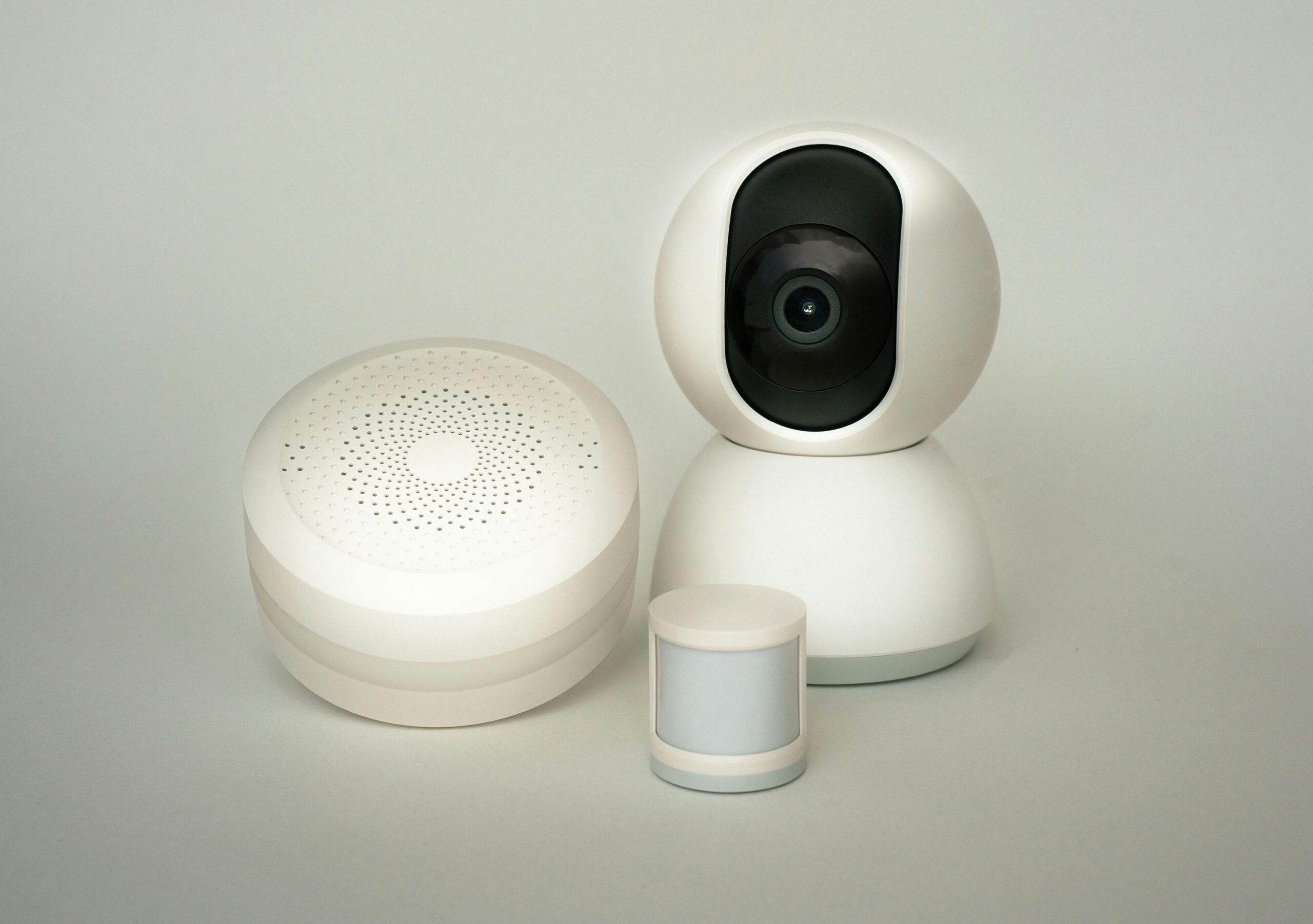
Imagine a home that doesn’t just shelter you, but actively protects your financial well-being. A home where a leak is shut off before it becomes a flood, a potential fire is snuffed out before the first flame ignites, and a slip is detected with immediate assistance already on the way. This is no longer the realm of science fiction. As we move through 2026, the convergence of sophisticated smart home ecosystems, artificial intelligence, and the insurance industry is creating a paradigm shift—from reactive claims processing to proactive risk management and holistic home care. This evolution is fundamentally altering the relationship between homeowners, their properties, and their insurers, promising not only streamlined claims but a new standard of safety and preservation.

From Reactive Payouts to Proactive Prevention: The New Insurance Model
For decades, the home insurance model has been fundamentally transactional: a peril occurs, the homeowner files a claim, an adjuster assesses the damage, and a payout is issued. This process is often stressful, slow, and adversarial. The advent of IoT (Internet of Things) devices is flipping this script. Insurers, now acting more as risk mitigation partners, are increasingly offering incentives for policyholders who install connected devices. The logic is simple and powerful: preventing a $50,000 water damage claim is infinitely more valuable to the insurer than processing it, and that value is being shared with the customer.
In 2026, this is manifested through sophisticated smart home insurance discounts and integrated programs. Leading property and casualty insurance providers are no longer just offering a generic discount for a doorbell camera. Instead, they are curating approved bundles of devices that work in concert to create a certified “smart shield” for the home. Installing these systems can lead to premium reductions of 15% or more, a compelling argument for capital allocation towards home technology.
The Key Devices Powering the Change
The modern risk-mitigating smart home is built on a foundation of interconnected sensors and automated controls. The most impactful devices fall into several critical categories:
1. Water Leak Detection and Automatic Shutoff: Arguably the most financially significant smart home category. Advanced sensors placed near water heaters, under sinks, and in basements don’t just sound an alarm; they communicate with an automatic shutoff valve installed on the main water line. At the first sign of moisture, the system can alert the homeowner via app and, if unattended, shut off the water supply entirely, preventing catastrophic damage. For owners of second homes or vacation properties, this technology is transforming peace of mind.
2. Intelligent Fire and Smoke Prevention: Next-generation smoke and carbon monoxide detectors go beyond loud alarms. They can differentiate between burning toast and a smoldering electrical fire, send specific alerts to your phone, and even integrate with smart lighting to guide an escape path. More advanced systems can trigger smart sprinkler heads in specific rooms or automatically turn off smart plugs suspected of being the ignition source.
3. Comprehensive Security Ecosystems: Modern systems from providers like Vivint or ADT combine 24/7 professional monitoring with motion sensors, glass-break detectors, and smart locks. Their deterrence value is clear, but their claims utility is profound. In the event of a break-in, the system can provide insurers with a verified timeline of events, sensor activation logs, and high-definition video footage, drastically reducing investigation time and fraud potential.
Streamlining the Claims Process: “The Self-Adjusting Home”
When a loss does occur, smart home data is revolutionizing the claims journey, making it faster, more accurate, and less contentious. This is the era of the “self-adjusting home.”
Faster, Verifiable Evidence: Instead of relying solely on a homeowner’s description, insurance claims adjusters can now request permission to access relevant device data. A water leak claim is supported by the exact time the leak sensor triggered and the shutoff valve engaged, providing an indisputable incident report. A theft claim is corroborated by motion sensor logs and video of the entry point. This objective data minimizes “he said, she said” disputes and accelerates validation.
Automated First Notice of Loss (FNOL): The most integrated systems now feature automated FNOL. If a monitored smoke alarm activates and is not silenced within a set time, or if a water shutoff valve engages, the system can automatically send an alert directly to the insurer’s claims department, often before the homeowner has even called. This allows the insurer to proactively reach out with assistance, dispatch preferred water damage restoration contractors, and begin the triage process immediately.
The Critical Question: What Are the Best Smart Home Devices for Lowering Insurance Premiums?
Not all devices are created equal in the eyes of home insurance companies. When considering capital allocation for premium reduction, focus on insurer-preferred and professionally monitored systems. A DIY camera might offer security, but a UL-listed, centrally monitored system with cellular backup is what moves the needle for underwriters. Directly consult with your insurance agent or broker about their approved partner programs. Companies like State Farm, Allstate, and Lemonade often have specific partnerships with device manufacturers, offering deeper discounts and seamless integration for those bundled solutions.
Beyond Insurance: The Rise of Proactive Home Care and Aging-in-Place
The implications of this connected ecosystem extend far beyond insurance paperwork. We are witnessing the birth of true proactive home care, particularly for an aging population determined to “age in place.”
Ambient Assisted Living: Instead of wearable panic buttons, new systems use a network of low-power radar and motion sensors to learn a resident’s daily patterns. Deviations—such as a lack of movement from the bedroom by a certain time, or a fall detected by vibration and pattern analysis—can trigger alerts to family members or a medical alert monitoring service. This provides dignity and safety without the need for constant cameras or wearables.
Integrated Health and Home Telemetry: In 2026, the smart home is beginning to integrate with permitted health data. A smart refrigerator might track nutrition for a diabetic resident, while bed sensors can monitor sleep patterns and resting heart rate, sharing aggregated, anonymized trends with healthcare providers during telehealth appointments. This holistic view enables preventative health measures alongside home safety.
Privacy, Data Ownership, and the Ethical Imperative
This data-rich environment is not without its challenges. The elephant in the room is privacy. Homeowners must be vigilant about what data is collected, who owns it, and how it is used. Could data on your daily routines one day be used to increase your insurance premiums? The industry is grappling with these questions. Transparency is paramount. Reputable insurers and device manufacturers offer clear, granular data-sharing agreements. The key is to opt for systems where you control the data stream and share only what is necessary for specific services or discounts. Consulting with a cybersecurity professional to segment your smart home network is becoming as standard as installing a deadbolt.
The 2026 Outlook: Integration, AI, and the Subscription Home
Looking forward, the trend is toward deeper integration and predictive intelligence. We are moving from connected devices to a truly cognitive home environment.
Artificial intelligence will analyze data from all sensors to identify subtle patterns preceding a failure—the slight humidity creep before a pipe bursts, the electrical fluctuation before an appliance fails. Insurers may transition further toward a home health subscription model, where regular premiums cover not just financial payout risk but also include proactive maintenance alerts, discounted repairs through partnered local HVAC technicians and licensed electricians, and guaranteed rapid response from vetted restoration professionals.
For the homeowner, the value proposition is crystallizing: a small, upfront capital allocation in a certified smart home system yields continuous returns through insurance savings, prevented catastrophes, preserved property value, and, most importantly, unparalleled peace of mind. The home is no longer a passive asset; it is an active partner in stewardship and care.
Key Takeaways:
- Prevention is the New Payout: Smart devices shift insurance from reactive claims to proactive risk mitigation, offering significant premium discounts.
- Data Streamlines Claims: Device-generated evidence (leak triggers, video, sensor logs) creates faster, more objective claims settlements.
- Focus on Insurer-Preferred Systems: For maximum financial benefit, invest in professionally monitored, insurer-partnered bundles for water, fire, and security.
- Proactive Home Care is Here: Ambient sensor technology enables safe aging-in-place and holistic home health monitoring beyond simple security.
- Vigilance on Data Privacy is Non-Negotiable: Understand and control your data-sharing agreements with insurers and device manufacturers.
In conclusion, the smart home of 2026 is far more than a collection of convenient gadgets. It represents a fundamental rewiring of how we protect and maintain our most significant physical asset. By embracing this interconnected, data-driven model, homeowners are empowered to become true partners with their insurers in preservation, transforming the home from a site of potential loss into a bastion of resilience and intelligent care. The future of homeownership is not just smart; it is savvy, secure, and sustainably managed.
Photo Credits
Photo by Jakub Zerdzicki on Pexels
- The Holistic Portfolio: How Health Tech and Home Equity Are Redefining Financial Security in 2026 – 04/03/2026
- The Data-Driven Home: How Smart Devices Are Reshaping Insurance and Proactive Care in 2026 – 04/03/2026
- Health Savings Accounts (HSAs) in 2026: The Ultimate Financial and Wellness Tool – 04/03/2026
Leave a Reply