In the financial landscape of 2026, marked by volatile markets and persistent inflationary pressures, the most astute capital allocation often isn’t found on a trading floor. It’s happening in the quiet, methodical stewardship of a tangible asset: the family home. For decades, home maintenance was viewed as a reactive chore—a series of costly emergencies to be endured. Today, a paradigm shift is underway, driven by data and a holistic understanding of asset preservation. Proactive, preventative home maintenance is no longer just a recommendation from a handy neighbor; it is a critical financial strategy and a non-negotiable imperative for health and safety. It is the disciplined practice of protecting your single largest investment while safeguarding the well-being of those within its walls.

The Financial Calculus: From Cost Center to Value Engine
The core argument for preventative care is brutally economic. A 2025 study by the Joint Center for Housing Studies of Harvard University quantified what seasoned homeowners have long sensed: every dollar strategically invested in preventative maintenance yields a return of up to four dollars in avoided emergency repairs and preserved home value. This isn’t mere savings; it’s a positive return on investment that outperforms many traditional asset classes in terms of reliability.
Capital Preservation and Appreciation
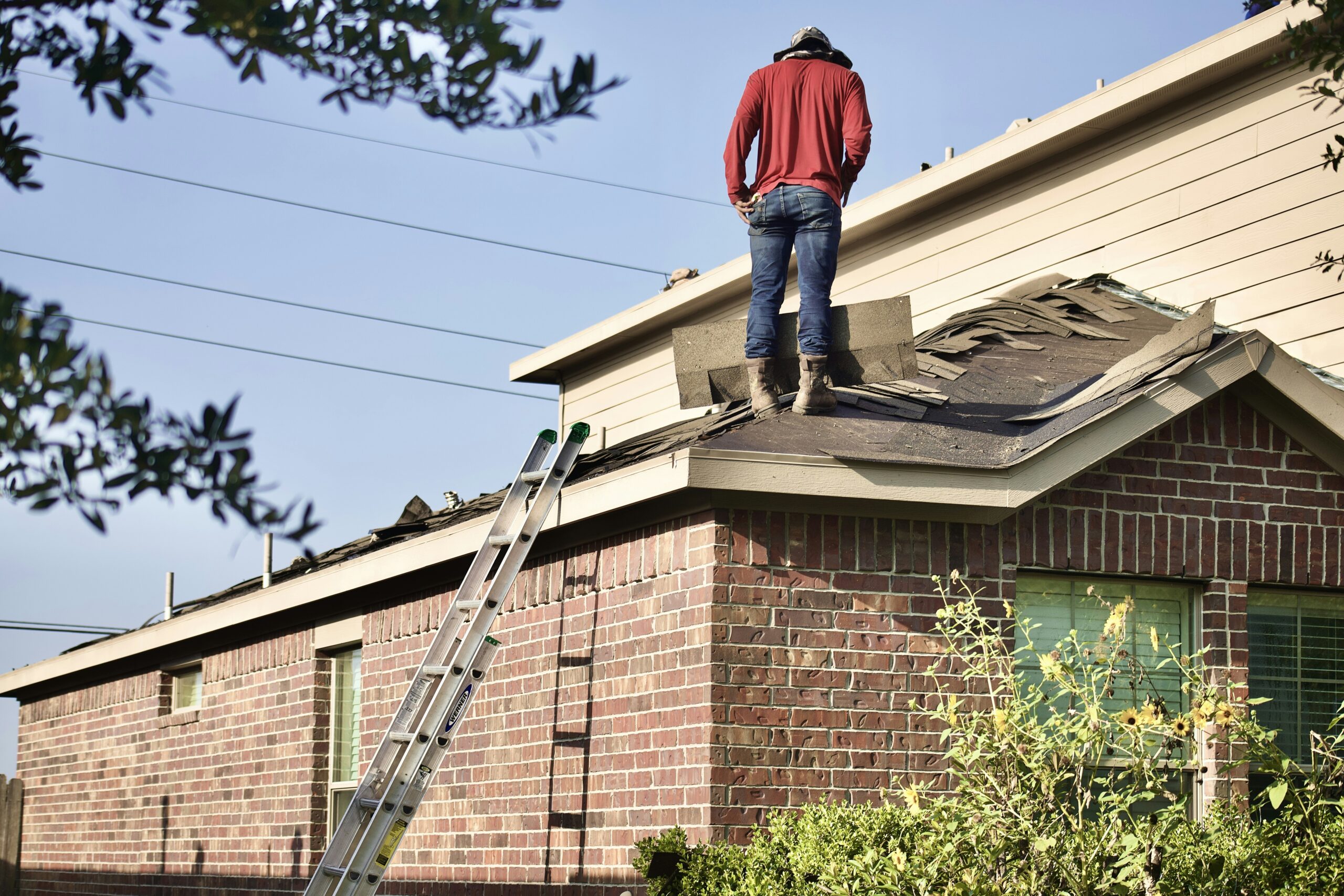
Your home is a depreciating physical structure sitting on (hopefully) appreciating land. Preventative maintenance directly combats that depreciation. Consider the roof: a professional roof inspection and minor repair service, costing perhaps a few hundred dollars, can identify worn flashing or compromised shingles. Left unchecked, these minor issues invite water intrusion, leading to catastrophic damage to rafters, insulation, drywall, and flooring—a repair bill easily soaring into the tens of thousands. Similarly, a biannual service call from a licensed HVAC maintenance technician to clean coils, check refrigerant levels, and calibrate the system can extend the unit’s life by years, deferring a replacement cost that now averages $7,500-$15,000 for a full system.
The Catastrophe Avoidance Fund
Emergency repairs are financially ruinous because they demand immediate, non-negotiable liquidity, often financed through high-interest credit or draining of emergency reserves. Preventative maintenance smooths these expenditures into predictable, budgetable line items. It transforms the unknown into the planned. For instance, scheduling a comprehensive plumbing inspection and drain cleaning service can locate a slowly corroding pipe behind a wall long before it bursts at 2 a.m. The cost of the inspection pales against the remediation of a flooded basement, which would also involve emergency water damage restoration companies and potential mold mitigation specialists.
The Health Imperative: Beyond the Balance Sheet
While the financial case is compelling, the health implications of a poorly maintained home are profound and often insidious. The modern understanding of “home health” extends far beyond cleanliness to encompass air quality, structural integrity, and environmental hazards.
Indoor Air Quality: The Unseen Priority
Since the global focus on indoor environments intensified in the early 2020s, the link between HVAC systems and respiratory health has become undeniable. A neglected forced-air system becomes a reservoir for dust, pollen, mold spores, and other allergens, circulating them continuously. The simple act of replacing filters quarterly and investing in an annual professional duct cleaning and sanitization service can dramatically improve air quality, benefiting those with asthma, allergies, or other sensitivities. In humid climates, ensuring your HVAC system adequately dehumidifies the space is a primary defense against mold growth, a known trigger for serious health issues.
Structural Hazards and Environmental Toxins
Preventative maintenance is frontline defense against health hazards. Failing to clean gutters can lead to water seepage into the foundation, creating the damp environment where toxic black mold thrives. A wobbly deck railing or loose stair tread is a fall risk, particularly for children and aging adults. Peeling lead-based paint in older homes (pre-1978) poses a severe neurotoxin risk if not managed properly by certified lead abatement professionals. Even a small gas leak from an aging furnace connection, detectable during an annual inspection, prevents potential carbon monoxide poisoning. This isn’t scare-mongering; it’s responsible stewardship of your living environment.
The 2026 Proactive Maintenance Framework: A Seasonal Blueprint
Transforming intention into action requires a system. The following seasonal framework, enhanced with modern tools, provides a disciplined approach.
Spring: The Exterior and Systems Revival
Focus shifts outdoors after winter’s toll. This is the time for a professional gutter cleaning and downspout extension installation to direct water away from your foundation. Inspect the roof for missing shingles. Service your lawn irrigation system to prevent wasteful leaks and ensure sprinkler head alignment. Schedule the annual HVAC tune-up for cooling before the summer strain begins. Check exterior caulking around windows and doors to improve energy efficiency.
Fall: The Preparation for Enclosure
The goal is to batten down the hatches. This season is critical for another HVAC maintenance visit, this time preparing the heating system for winter. Shut off and drain exterior irrigation lines to prevent frozen pipe bursts. Have your chimney swept and inspected by a certified chimney sweep service if you use a fireplace. Clean gutters again after leaves fall. Test smoke and carbon monoxide detectors, replacing batteries as needed.
Year-Round & Technology Integration
Modern smart home technology has become a powerful ally in preventative maintenance. Smart water leak detectors placed near water heaters, under sinks, and in basements can send alerts to your phone at the first sign of moisture, enabling instantaneous intervention. Wi-Fi enabled video doorbells and other security devices serve a dual purpose, also allowing you to visually inspect your property’s exterior remotely. Maintain a digital home management file for all appliance manuals, warranty information, and records of service from local licensed general contractors.
Navigating the Service Ecosystem: How to Find and Vet Professionals
Effective maintenance relies on trusted partners. The “gig economy” model for major home systems is a high-risk proposition.
- Seek Credentials, Not Just Reviews: Look for licensed, bonded, and insured professionals. For specialized work, seek certifications from bodies like NATE (for HVAC) or the National Association of Home Builders.
- Leverage Local Expertise: Establish relationships with reputable local plumbing companies and established electrical contractors in your area. They have a deep understanding of regional issues, from soil types that affect foundations to common local building code nuances.
- Get It in Writing: Always insist on a detailed, written estimate before work begins. For larger projects, a formal contract outlining scope, materials, timeline, and payment schedule is essential.
The Long View: A Legacy of Stewardship
Adopting a regimen of preventative home maintenance is an exercise in long-term thinking. It is the antithesis of the disposable culture that pervades other aspects of consumer life. This discipline does more than protect equity and health; it cultivates a profound connection to one’s place of shelter. It fosters an understanding of the home’s systems, rhythms, and needs. In an age of digital abstraction, it grounds us in the tangible, rewarding care with durability and peace of mind.
Ultimately, the home is not just an asset on a spreadsheet. It is the stage for our lives, the shelter for our families, and a repository of memory. To maintain it proactively is to invest not only in its material future but in the quality of the life lived within it. In the uncertain world of 2026, that may be the most secure and rewarding investment of all.
Photo Credits
Photo by Zohair Mirza on Unsplash
- The Holistic Portfolio: How Health Tech and Home Equity Are Redefining Financial Security in 2026 – 04/03/2026
- The Data-Driven Home: How Smart Devices Are Reshaping Insurance and Proactive Care in 2026 – 04/03/2026
- Health Savings Accounts (HSAs) in 2026: The Ultimate Financial and Wellness Tool – 04/03/2026
Leave a Reply