Choosing a family cruise can feel like navigating a sea of marketing promises. Disney, Royal Caribbean, and Carnival all present compelling visions of the perfect vacation, leaving parents to sift through glossy brochures and conflicting reviews. The decision is significant, involving budget, time, and the expectations of every family member.
An informed choice requires moving beyond brand recognition to a practical comparison of what each line delivers. This analysis examines the critical factors for a successful family voyage in 2026, from immersive kids’ clubs to cabin logistics and overall value.
Defining the Contenders: Brand Identity and Fleet
Each cruise line has a distinct personality that shapes the entire guest experience. Understanding this core identity is the first step in determining which environment will resonate most with your family’s vacation style.
Disney Cruise Line: The Premium Narrative Experience
Disney operates a smaller, meticulously themed fleet where storytelling is paramount. From the horn that plays “When You Wish Upon a Star” to character dining and Broadway-caliber shows, the magic is seamless and omnipresent. The experience is curated, polished, and deeply immersive.
Royal Caribbean International: The Innovation and Activity Leader
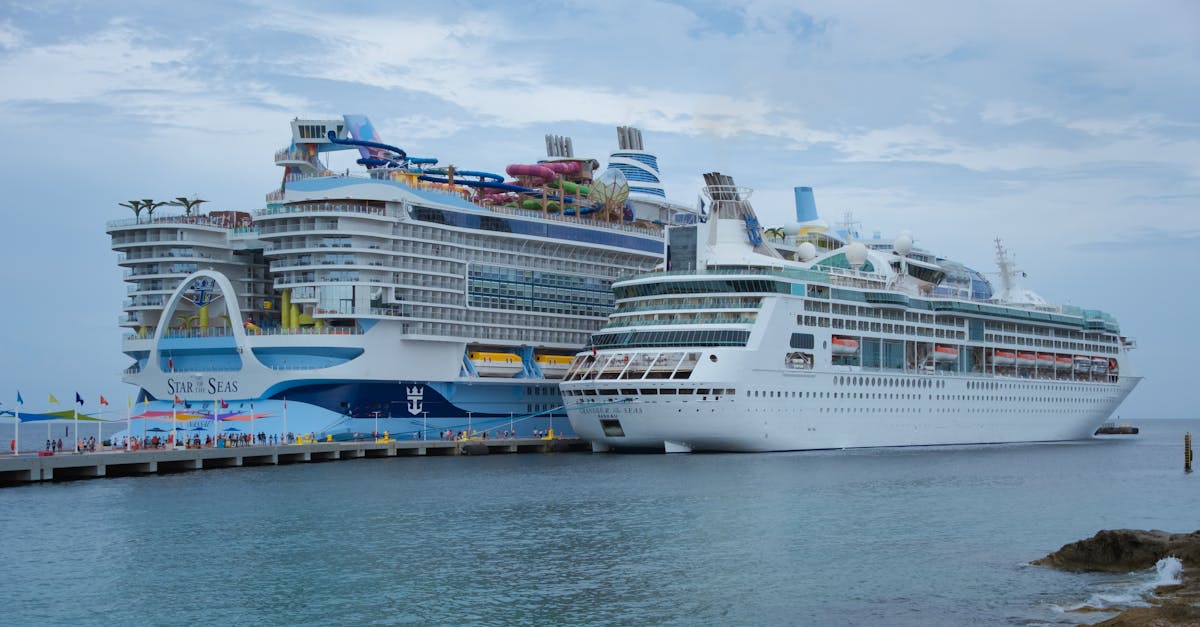
Royal Caribbean’s megaships are destinations themselves, featuring engineering marvels like surf simulators, zip lines, and sprawling aqua theaters. The focus is on active adventure, cutting-edge technology, and providing a “wow” factor that appeals to thrill-seekers of all ages.
Carnival Cruise Line: The Fun and Value Choice
Carnival brands itself as “America’s Cruise Line,” emphasizing a lively, casual, and high-energy atmosphere. Known for its vibrant deck parties, comedy clubs, and straightforward pricing, it offers a spirited vacation often at a more accessible entry point, making it a popular choice for a broad range of travelers.
Category-by-Category Family Cruise Comparison
To move past generalizations, we must dissect the specific elements that define a family’s daily experience onboard. This detailed cruise line comparison for 2026 focuses on practical realities.
Kids Clubs and Youth Programming
The quality and appeal of youth programs can make or break a family cruise. This is often the top consideration for parents seeking both family time and adult relaxation.
- Disney Cruise Line: Oceaneer Club and Lab are industry benchmarks, offering immersive spaces like Marvel Super Hero Academy and Fairy Tale Hall. Programming is extensive, counselor engagement is high, and Disney characters make regular appearances. It’s a major driver of the line’s premium cost.
- Royal Caribbean: Adventure Ocean provides robust, age-appropriate activities with a science, art, and active play focus. Partnerships with brands like LEGO and Crayola add appeal. For teens, spaces like the Social298 nightclub are a standout in the industry.
- Carnival: Camp Ocean offers solid, dependable programming divided into age groups with marine-life themes. While perhaps less technologically immersive than its competitors, it is well-staffed and reliably fun, included in the base fare, representing strong value.
Cabin Configurations and Family Space
Cabin selection is a practical puzzle for families. Space, storage, and sleeping arrangements are crucial for comfort during a week-long voyage.
- Disney: Known for innovative family-friendly cabin designs, many feature split bathrooms (sink/toilet in one room, sink/shower in another) to streamline morning routines. Concierge-level suites and larger verandah rooms offer premium space at a premium price.
- Royal Caribbean: Offers a wide variety of room categories, including unique options like the Ultimate Family Suite (a two-deck-high suite with a slide and air hockey) and interconnected staterooms designed for larger groups. Spacious balcony rooms are plentiful on newer ships.
- Carnival: Provides solid value with a high number of connecting cabins and “Family Harbor” staterooms on select ships, which include access to a private lounge with breakfast, snacks, and games. These are priced competitively, offering practical solutions for family cruise accommodations.
Dining Flexibility and Included Options
Meal times are central to the cruise rhythm. Families need flexibility, kid-friendly menus, and quality included options to manage costs and satisfaction.
- Disney: Features rotational main dining, where your serving team follows you to different themed restaurants. This provides variety with consistent service. Included quick-service options are plentiful, and soda is included at beverage stations—a notable perk.
- Royal Caribbean: Employs a flexible “My Time Dining” system alongside traditional set seating. The Windjammer Marketplace buffet is extensive. The line pushes its specialty dining packages, but the number of included casual venues (like Sorrento’s Pizza or Café Promenade) on large ships is impressive.
- Carnival: Champions flexibility with “Your Time Dining.” Its strength lies in abundant, casual included options like Guy’s Burger Joint (by Food Network’s Guy Fieri), BlueIguana Cantina, and 24-hour pizza. This model suits families with unpredictable schedules or picky eaters.
Onboard Entertainment and Activities
Days at sea require engaging diversions. The style of entertainment often aligns directly with the brand’s overall identity.
- Disney: Unmatched for theatrical productions like “Frozen, A Musical Spectacular” and first-run Disney films in onboard theaters. Deck parties like “Pirate Night” are full-scale events with fireworks at sea—a unique offering.
- Royal Caribbean: Leads with high-tech spectacles: aqua shows in the AquaTheater, ice-skating performances, and musicals like “Mamma Mia!” on Oasis-class ships. Activities like rock climbing, FlowRider, and skydiving simulators cater to active families.
- Carnival: Focuses on high-energy, participatory fun. Highlights include the iconic “Seuss at Sea” parade and Green Eggs and Ham Breakfast, hilarious family-friendly comedy shows, and lively deck parties with the cruise director.
Shore Excursions and Port Experiences
Port days are a major part of the itinerary. The variety, cost, and family-focus of organized excursions vary between lines.
All three lines offer a standard array of port adventures (snorkeling, city tours, beach breaks). Disney often includes a higher number of exclusive, family-oriented excursions, sometimes with character meet-and-greets. Royal Caribbean, with its larger ships, may offer a wider sheer volume of choices. Carnival frequently provides a solid selection of affordable, classic excursions that align with its value positioning.
Financial Realities: Cost Analysis and Value Perception
The conversation inevitably turns to price. A transparent look at cost involves more than the initial fare; it encompasses what is included and the overall experience delivered.
- Disney Cruise Cost Per Person: Typically commands a premium of 30-50% or more over similar itineraries on other lines. You are paying for the immersive Disney service, characters, entertainment, and included amenities like soda and extensive youth clubs. For families deeply invested in the Disney ecosystem, this cost is often justified.
- Royal Caribbean Family Cruise Pricing: Operates in a mid-to-upper tier. Base fares can be competitive, but the cost of add-ons (specialty dining, beverage packages, premium activities) can increase the total significantly. The value is in the innovation and scale of the hardware—the ships themselves.
- Carnival vs Disney Cruise Value: Carnival generally offers the most accessible entry-level pricing. Its “Fun Ship” atmosphere and abundance of included casual dining options provide a clear, upfront value proposition, making it easier to budget without feeling you are missing out on core experiences.
Making the Right Choice for Your Family in 2026
There is no single “best cruise line for families.” The optimal choice is the one that aligns with your family’s priorities, children’s ages, and budget parameters. This decision framework can help clarify your path.
Choose Disney Cruise Line if: The Disney narrative is a core part of your family’s life, and you prioritize character interactions, meticulous service, and Broadway-style entertainment. Your budget accommodates the premium for a fully immersive, story-driven experience where magic is woven into every detail.
Choose Royal Caribbean if: Your family thrives on active adventure and being impressed by scale and technology. You have tweens and teens who will utilize rock walls, surf simulators, and expansive teen clubs. You appreciate a wide array of dining and entertainment options and are comfortable navigating a la carte pricing for premium experiences.
Choose Carnival if: You seek a lively, unpretentious, and social atmosphere with a strong emphasis on value. Your family enjoys casual dining, comedy clubs, and spirited deck parties. You want a straightforward cruise vacation with a lower upfront cost, providing more flexibility for excursions or a future trip.
The most confident booking decision comes from matching a cruise line’s strengths to your family’s definition of a perfect vacation. By focusing on the practical categories that shape your daily experience—from kids’ club engagement to cabin logistics and dining style—you can move beyond marketing and select the voyage that will deliver the memories you seek. This detailed comparison provides the framework to make that choice with clarity.
- Dental Tourism for Implants 2026: Best Countries, Real Costs & How to Get Safe, Low-Cost Implants Abroad – 13/04/2026
- Box Truck Loads and 18-Wheeler Roadside Assistance in 2026: Best Load Boards, Freight Strategies, and Commercial Breakdown Coverage for Owner-Operators – 13/04/2026
- Disney Cruise Deals 2026: How to Find the Cheapest Sailings, Last-Minute Discounts & Low-Cost Booking Strategies – 13/04/2026

Leave a Reply